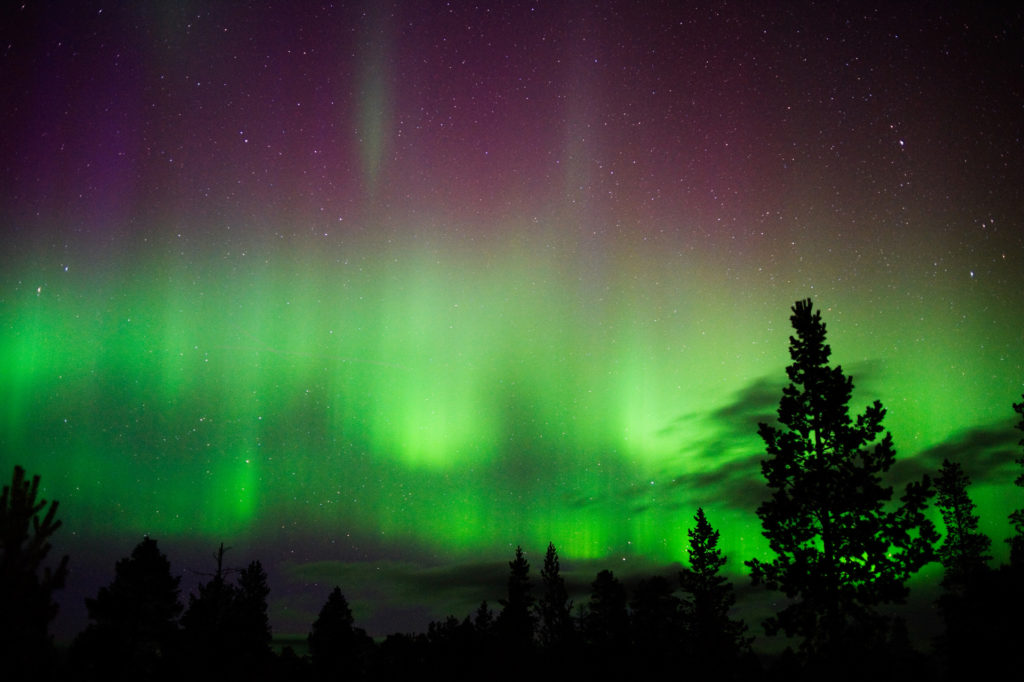
Peak times for aurora borealis visibility in Lapland during Christmas time
The peak viewing season for aurora borealis during Christmas in Lapland offers exceptional opportunities between late December’s extended darkness and optimal solar activity. The combination of 20+ hours of polar night, typically clear winter skies, and Lapland’s position within the auroral oval creates ideal conditions for witnessing the Northern Lights. Most successful sightings occur between 9 PM and 2 AM, with the highest activity often recorded between 10 PM and midnight during the Christmas holiday period.
What makes Christmas time special for aurora viewing in Lapland?
Christmas in Lapland provides unique aurora viewing conditions due to the perfect alignment of natural phenomena. The polar nights extend beyond 20 hours, creating an almost continuous window for Northern Lights observation. December’s position in the solar cycle often coincides with increased geomagnetic activity, while Lapland sits directly within the auroral oval, the ring-shaped zone where aurora activity is most frequent.
The winter solstice period around December 21st marks the darkest time of year, offering the longest possible viewing windows. Unlike autumn months when weather can be unpredictable, December typically brings stable, cold conditions that reduce cloud cover. These crisp, clear nights provide the transparency needed for spectacular aurora displays. The snow-covered landscape also enhances visibility by reflecting ambient light, making even faint auroras more noticeable against the pristine white backdrop.
December’s aurora activity benefits from seasonal atmospheric conditions that create particularly vivid displays. The cold, dry air at high altitudes allows aurora colours to appear more vibrant and defined. Green curtains of light are most common, but during periods of intense activity, you might witness rare purple, pink, or even red auroras dancing across the sky. This variety of colours and formations makes Christmas aurora viewing particularly memorable for holiday visitors.
When exactly are the peak hours for Northern Lights during December nights?
The prime aurora viewing window during December nights typically runs from 9 PM to 2 AM, with the most intense activity occurring between 10 PM and midnight. This timing aligns perfectly with comfortable evening schedules, allowing you to enjoy dinner and prepare for viewing without staying up through the entire night. The 10 PM to midnight period often produces the most dramatic displays as geomagnetic activity reaches its nightly peak.
Secondary viewing opportunities exist during the early morning hours between 3 AM and 6 AM for dedicated aurora hunters. These pre-dawn hours sometimes surprise viewers with unexpected bursts of activity, particularly during periods of strong solar storms. However, the convenience of the evening viewing window makes it the most practical choice for families and those who prefer maintaining a regular sleep schedule during their holiday.
The extended darkness of December means aurora activity can begin as early as 4 PM and continue until 9 AM, though visibility depends on intensity levels. Staying in our luxury villa with private outdoor spaces and panoramic views allows you to monitor the sky throughout these extended hours without venturing into the cold. We can arrange aurora alerts to notify you when activity increases, ensuring you never miss a spectacular display while enjoying the comfort of your accommodation.
How do weather patterns affect aurora visibility during Christmas in Lapland?
December weather in Finnish Lapland typically features stable, high-pressure systems that create the clear skies necessary for aurora viewing. These conditions produce the cold, crisp nights that offer optimal transparency for observing even faint aurora displays. Temperature inversions common in December trap moisture at lower elevations, keeping the viewing areas above cloud level and providing consistently clear conditions for aurora observation.
Cloud cover remains the primary factor affecting aurora visibility, and December’s weather patterns generally favour clear nights over the stormy conditions more common in autumn. The inland location of Saariselkä experiences less maritime influence than coastal areas, resulting in more stable weather and fewer sudden changes. When clouds do appear, they often move quickly due to upper-level winds, creating windows of opportunity between weather systems.
Microclimates around different regions can significantly impact viewing success. Areas away from valleys and water bodies tend to have clearer conditions, while elevated locations above the tree line offer unobstructed views. Light pollution from nearby settlements can reduce visibility, making remote locations particularly valuable for aurora viewing. Temperature considerations also matter, as extremely cold nights (below -20°C) often coincide with the clearest skies and most active aurora displays, though proper clothing and warm viewing spaces become even more important.
What’s the difference between early and late December for aurora hunting?
Early December offers transitional conditions with slightly shorter nights compared to late December, though darkness still extends for approximately 19-20 hours. Weather patterns in early December can be more variable as autumn transitions to full winter, occasionally bringing snow showers that temporarily obscure views. However, this period often sees increased aurora activity as solar wind streams become more frequent, compensating for any weather-related challenges.
Late December, particularly the week surrounding Christmas and winter solstice, provides the longest viewing windows of the entire year. The sun remains below the horizon for extended periods, creating near-continuous darkness that maximizes viewing opportunities. Weather conditions typically stabilize by this time, with established winter patterns bringing consistent cold and clear nights. Historical data shows that the period between December 20-27 often experiences heightened aurora activity, possibly due to the Earth’s position relative to solar wind streams.
The progression through December also affects snow conditions and accessibility. Early December might have less snow cover, making some viewing locations easier to reach but providing less reflective surface for enhancing aurora visibility. By late December, the deep snow cover creates the quintessential winter wonderland setting while reflecting aurora light for enhanced viewing. Christmas week combines these optimal conditions with the festive atmosphere, making it one of the most sought-after times for aurora tourism in Lapland.
How can you maximize your chances of seeing the Northern Lights during a Christmas stay?
Maximizing aurora viewing success during your Christmas holiday starts with choosing accommodation that offers both comfort and strategic viewing advantages. Private outdoor spaces with minimal light interference allow you to monitor the sky regularly without committing to long excursions in the cold. Understanding aurora forecasts and alerts helps you plan evening activities around peak viewing times, though maintaining schedule flexibility remains important since aurora activity can be unpredictable.
We arrange tailored aurora experiences that remove the guesswork from your Northern Lights quest. Our partnerships with local activity providers mean you can choose from various viewing options, from comfortable minibus tours to authentic reindeer sleigh rides under the stars. These guided experiences take you to optimal viewing locations while providing warm clothing, hot drinks, and expert knowledge about aurora photography and observation techniques.
Preparing for multiple viewing attempts increases your chances significantly. Rather than relying on a single night, plan to dedicate several evenings to aurora watching, using different methods each time. Combine relaxed viewing from your villa’s outdoor spaces with organized excursions to remote locations. We help coordinate your entire stay, arranging activities that complement aurora viewing while ensuring you experience other winter highlights. This all-inclusive approach means you can focus on enjoying the magic of aurora borealis moments without worrying about logistics or missing opportunities due to poor planning.
The combination of Lapland’s optimal December conditions, extended darkness hours, and strategic viewing approaches creates exceptional opportunities for witnessing the Northern Lights during your Christmas holiday. By staying in accommodation designed for comfort and viewing convenience, following peak activity windows between 9 PM and 2 AM, and taking advantage of stable winter weather patterns, you significantly increase your chances of experiencing this natural wonder. Whether you prefer watching from private villa spaces or joining guided aurora hunts, the key lies in flexibility, preparation, and choosing the right support to make your aurora dreams reality during the magical Christmas season in Finnish Lapland.